

Grade 12th passElectrostatics
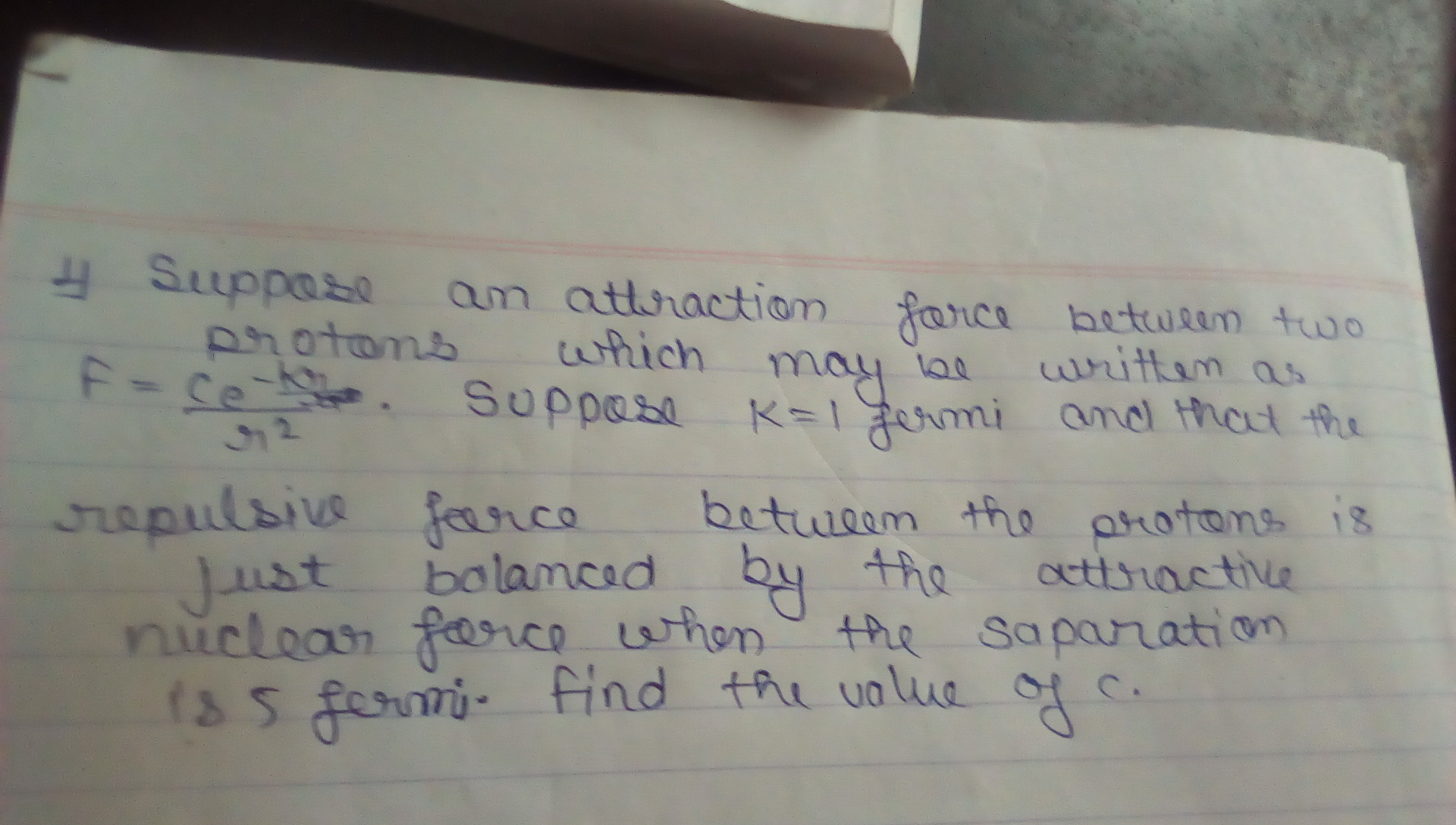
Sir please answer this question . This is the question of H C Verma Part 2 chapter 29 page no 121


 Approved Tutor Answer1 Year ago
It seems you’re referring to a specific question from H.C. Verma's "Concepts of Physics," which is a popular textbook for understanding physics concepts. While I don't have direct access to the book, I can certainly help you with common topics covered in Chapter 29, which typically deals with topics related to waves, sound, or similar concepts. If you could provide the specific question or topic you're interested in, I’d be more than happy to explain it in detail.
Waves are fascinating phenomena that occur in various forms, such as sound waves, light waves, and water waves. They are characterized by their ability to transfer energy from one point to another without the physical transfer of matter. Let’s break down some key concepts related to waves that might be relevant to your question.
Several properties define how waves behave:
Waves can interact in various ways, leading to phenomena such as interference, diffraction, and reflection. For instance:
Understanding wave properties is crucial in many fields. For example:
By grasping these fundamental concepts, you can tackle various problems related to waves, whether in theoretical physics or practical applications. If you provide the specific question from H.C. Verma, I can give you a more tailored explanation or solution.

Last Activity: 3 Years ago
Last Activity: 4 Years ago
Last Activity: 4 Years ago
Last Activity: 4 Years ago