

Grade 10Physical Chemistry
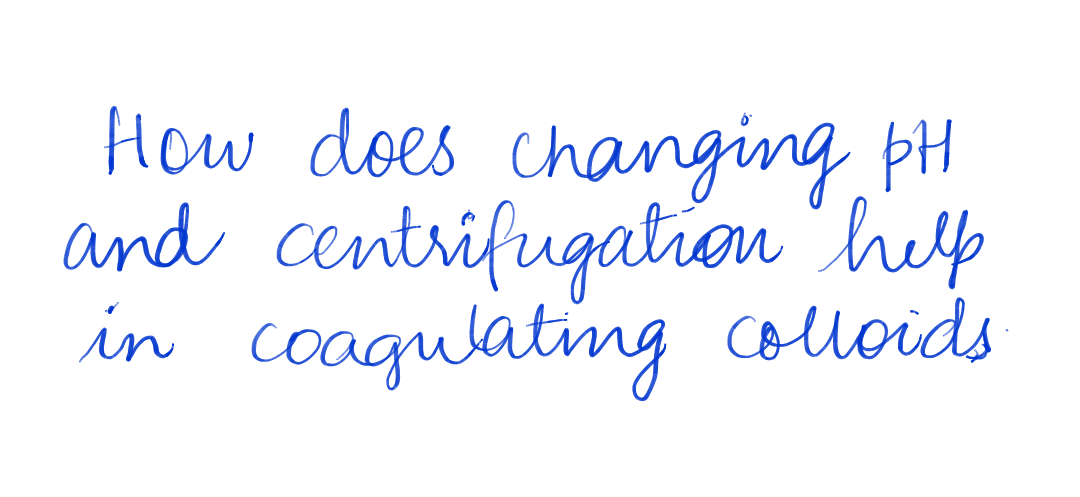
kindly refer to the attachment. its from the chapter surface chem..
kindly refer to the attachment. its from the chapter surface chem..


 Approved Tutor Answer1 Year ago
It seems like you're referring to a specific attachment related to surface chemistry, but since I can't view attachments, let’s discuss some fundamental concepts in surface chemistry that might be relevant to your studies. Surface chemistry is a fascinating field that focuses on the physical and chemical phenomena that occur at the interface between different phases, such as solid-liquid, solid-gas, or liquid-gas interfaces.
Surface chemistry plays a crucial role in various applications, including catalysis, corrosion, and material science. Here are some essential concepts to consider:
Let’s delve deeper into adsorption, as it is a fundamental process in surface chemistry. Imagine a sponge soaking up water. The sponge's surface interacts with the water molecules, pulling them in. Similarly, in adsorption, molecules from a gas or liquid phase interact with a solid surface.
There are two main models to describe adsorption:
Surface chemistry is integral to many industries. For example:
Consider the process of cleaning surfaces. Detergents work by reducing the surface tension of water, allowing it to spread and penetrate more effectively. The molecules in the detergent adsorb to the surface of dirt and grease, breaking them down and allowing them to be washed away. This is a practical application of surface chemistry principles in everyday life.
In summary, surface chemistry is a vital area of study that impacts numerous scientific and industrial fields. By understanding the interactions at surfaces, we can innovate and improve technologies that affect our daily lives. If you have specific topics or questions from your attachment that you’d like to discuss further, feel free to share, and we can explore those concepts together!

Last Activity: 3 Years ago
Last Activity: 3 Years ago
Last Activity: 3 Years ago
Last Activity: 4 Years ago