

Grade 10Physical Chemistry
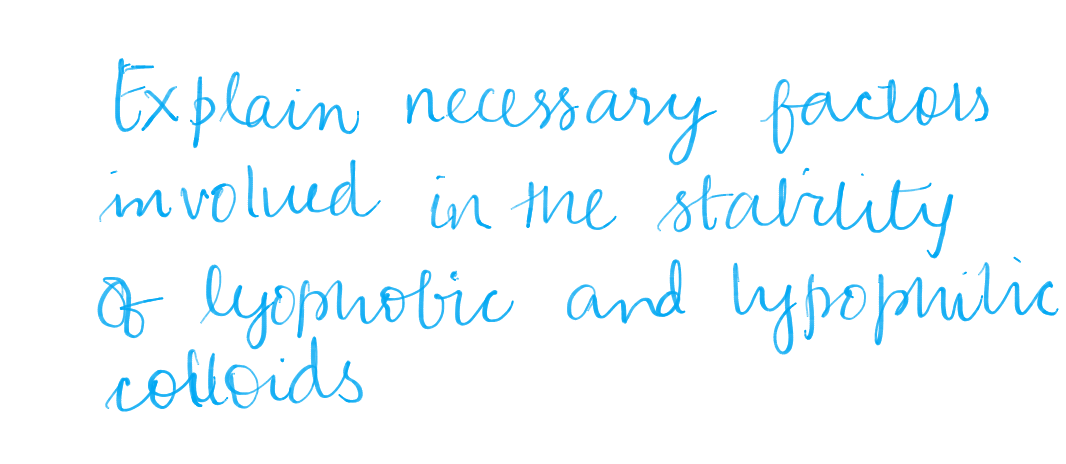
kindly refer to the attachment. its from the chapter surface chem.
kindly refer to the attachment. its from the chapter surface chem.


 Approved Tutor Answer1 Year ago
It seems like you're referring to a specific attachment related to the chapter on surface chemistry. While I can't view attachments, I can certainly help explain key concepts in surface chemistry that are commonly covered in this field. If you have a particular topic or question in mind, feel free to share it! For now, let’s delve into some fundamental aspects of surface chemistry that might be relevant.
Surface chemistry focuses on the chemical processes that occur at the interface between different phases, such as solid-liquid, solid-gas, or liquid-gas. This field is crucial in various applications, including catalysis, material science, and environmental science.
Surface chemistry has a wide range of applications across different fields:
Consider a catalytic converter in a car, which helps reduce harmful emissions. The converter contains precious metals like platinum or palladium, which provide a large surface area for the reactions that convert toxic gases into less harmful substances. The effectiveness of these catalysts is largely due to their surface properties, which allow for efficient adsorption and reaction of the gases.
Surface chemistry is a dynamic and essential field that bridges various scientific disciplines. Whether you're looking at the adsorption of molecules, the role of surface area in reactions, or the implications for technology and the environment, understanding these concepts can provide valuable insights into both fundamental science and practical applications. If you have specific topics or questions from your chapter that you’d like to discuss, please let me know!

Last Activity: 3 Years ago
Last Activity: 3 Years ago
Last Activity: 3 Years ago
Last Activity: 4 Years ago