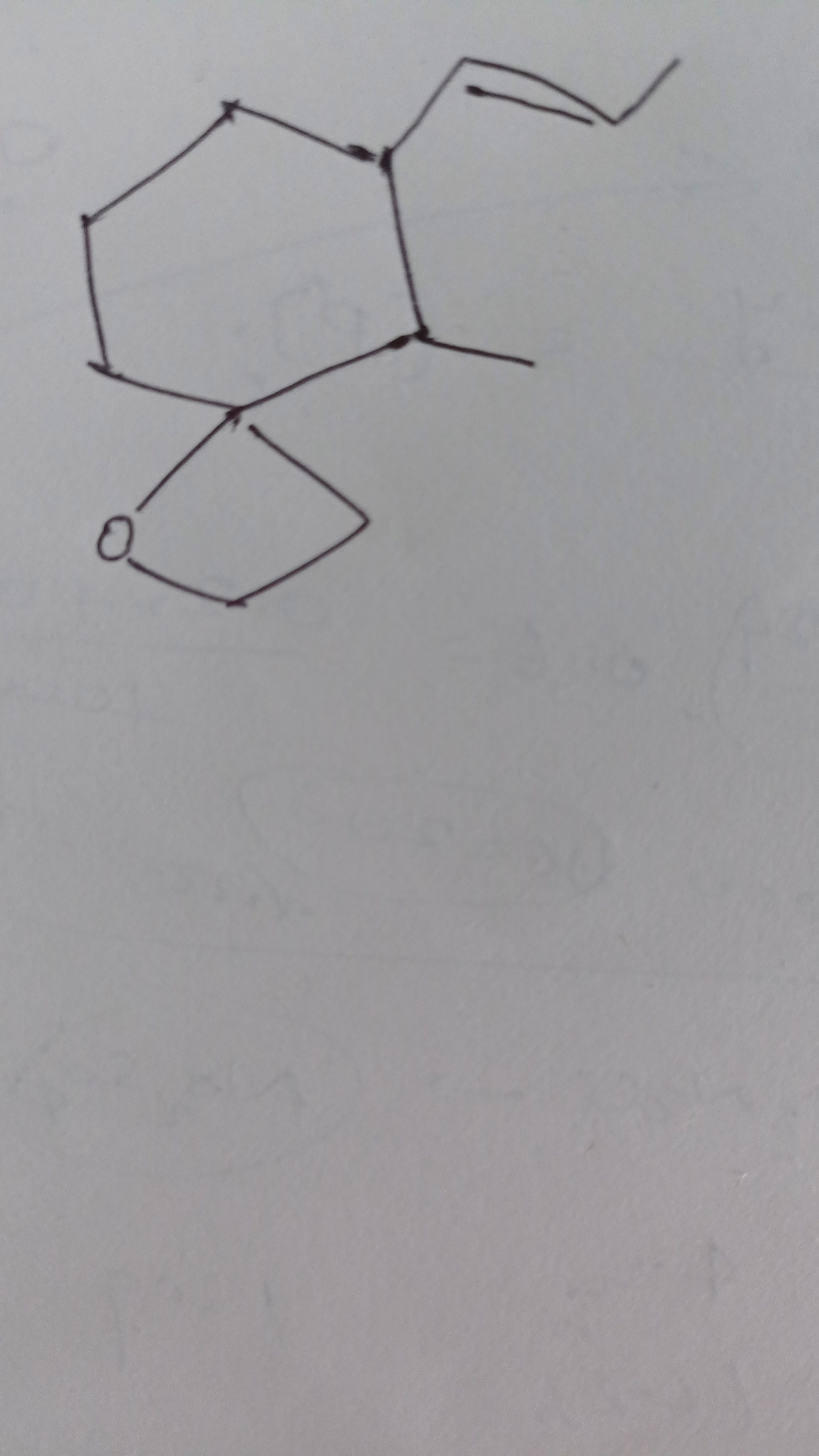
To determine the IUPAC name of a compound, especially when dealing with multiple functional groups and structural features like pi bonds, it’s essential to follow a systematic approach. In your case, we need to consider both the presence of a pi bond and the structure of the compound, which includes a cyclohexane ring and an ethene group. Let’s break this down step by step.
Identifying the Parent Chain
The first step in naming a compound is to identify the longest continuous carbon chain that contains the highest priority functional group. In this scenario, we have two potential parent chains: the cyclohexane and the ethene group. The decision on which one to choose depends on the functional groups present and their priorities according to IUPAC rules.
Evaluating Functional Groups
- Cyclohexane: This is a saturated cyclic compound.
- Ethene Group: This contains a double bond (pi bond), which is a higher priority functional group than a simple alkane.
Since the ethene group has a double bond, it typically takes precedence over the cyclohexane structure when determining the parent chain. Therefore, the ethene group will be considered the main chain for naming purposes.
Numbering the Carbon Chain
Once the parent chain is established, the next step is to number the carbon atoms in a way that gives the lowest possible numbers to the functional groups. In this case, we want to ensure that the double bond is assigned the lowest number possible.
Applying the Numbering System
For example, if the ethene group is numbered starting from one end, you would assign the double bond the lowest number. If the compound is structured such that the double bond is between carbon 1 and carbon 2, you would number it as follows:
- Carbon 1: First carbon of the ethene group
- Carbon 2: Second carbon of the ethene group
- Carbon 3: First carbon of the cyclohexane ring, if attached
In this case, if the cyclohexane is attached to carbon 3 of the ethene, you would number the chain starting from the end closest to the double bond. This ensures that the double bond receives the lowest possible number.
Finalizing the IUPAC Name
After determining the parent chain and numbering, you can finalize the IUPAC name. The name will include the base name derived from the longest chain, the position of the double bond, and any substituents (like the cyclohexane) with their respective positions. For instance, if the ethene is at position 1 and the cyclohexane is at position 3, the name might look something like "3-cyclohexyl-1-ethene."
In summary, the key steps involve identifying the parent chain based on functional group priority, numbering the chain to give the lowest numbers to the double bond, and then compiling the final name based on these factors. This systematic approach will help you accurately name compounds with complex structures.