

Grade 12th passOrganic Chemistry
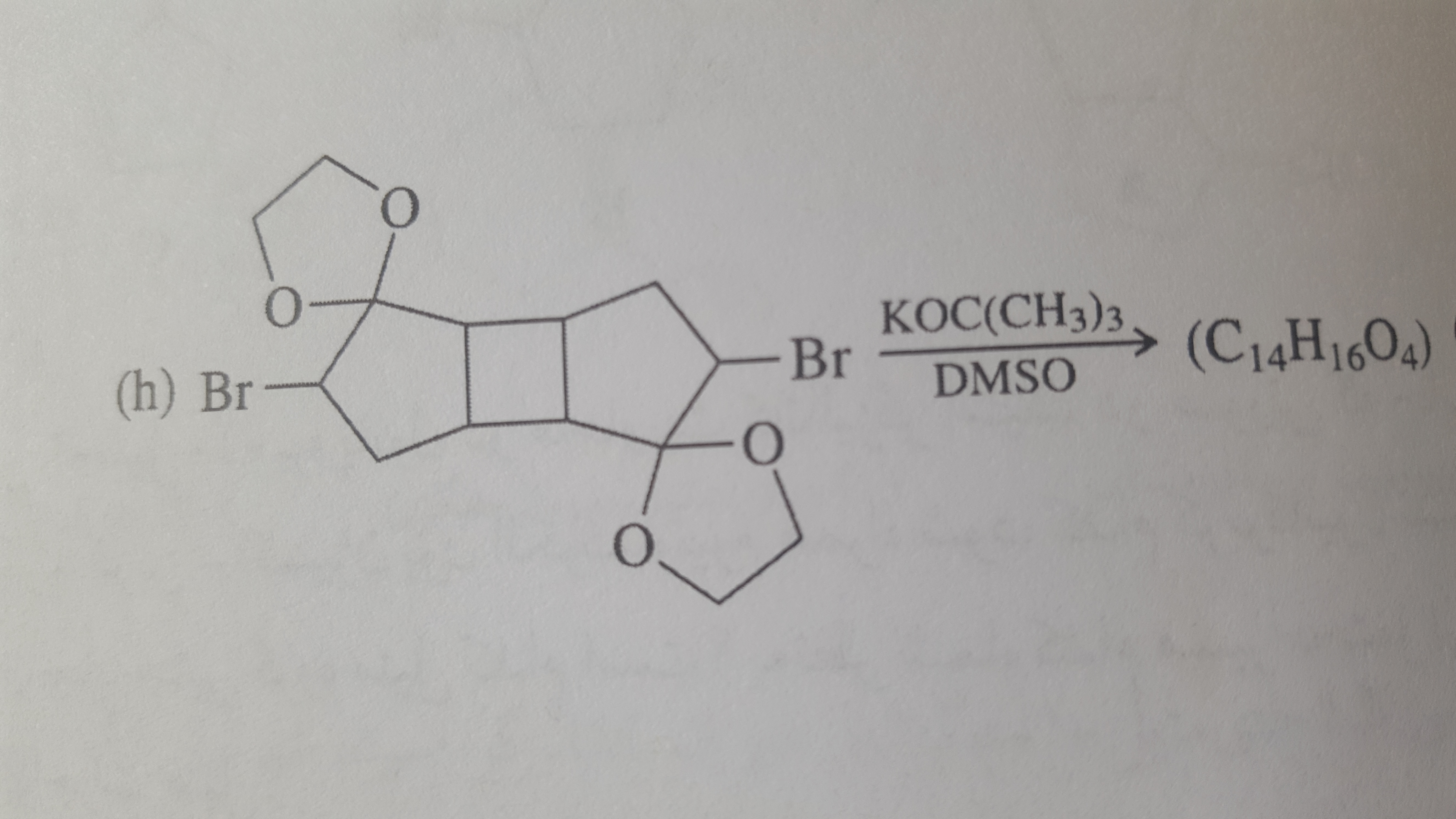
Predict the main organic product of each of the following reactions.
Predict the main organic product of each of the following reactions.


 Approved Tutor Answer1 Year ago
To predict the main organic product of a reaction, we need to consider the reactants involved, the type of reaction taking place, and the conditions under which the reaction occurs. Let's break down the process step by step, using some common organic reactions as examples.
Organic reactions can be broadly categorized into several types, including substitution, addition, elimination, and rearrangement reactions. Each type has its own characteristics that influence the products formed.
In substitution reactions, one atom or group in a molecule is replaced by another. A classic example is the reaction of an alkane with a halogen, such as chlorine. For instance, when methane (CH₄) reacts with chlorine (Cl₂) in the presence of UV light, we can expect the main product to be chloromethane (CH₃Cl) along with hydrogen chloride (HCl).
Addition reactions typically involve alkenes or alkynes, where new atoms or groups are added across the double or triple bond. For example, when ethene (C₂H₄) reacts with bromine (Br₂), the double bond opens up, and the main product is 1,2-dibromoethane (C₂H₄Br₂).
Elimination reactions involve the removal of a small molecule, often resulting in the formation of a double bond. A common example is the dehydration of alcohols. When ethanol (C₂H₅OH) is heated with an acid catalyst, the main product is ethene (C₂H₄) along with water (H₂O).
Several factors can influence the outcome of a reaction, including:
Let’s look at a couple of specific reactions to illustrate how to predict products:
When propene (C₃H₆) reacts with hydrogen bromide (HBr), the product formed is primarily 2-bromopropane (C₃H₇Br) due to Markovnikov's rule, which states that the more substituted carbon will bond with the halide.
When cyclohexanol (C₆H₁₂O) is oxidized using an oxidizing agent like potassium permanganate (KMnO₄), the main product is cyclohexanone (C₆H₁₀O), as the alcohol group is converted into a ketone.
By analyzing the reactants and understanding the type of reaction, you can predict the main organic product effectively. Practice with various examples will enhance your ability to foresee the outcomes of different organic reactions. If you have specific reactions in mind, feel free to share them, and we can predict the products together!

Last Activity: 3 Years ago
Last Activity: 4 Years ago
Last Activity: 4 Years ago