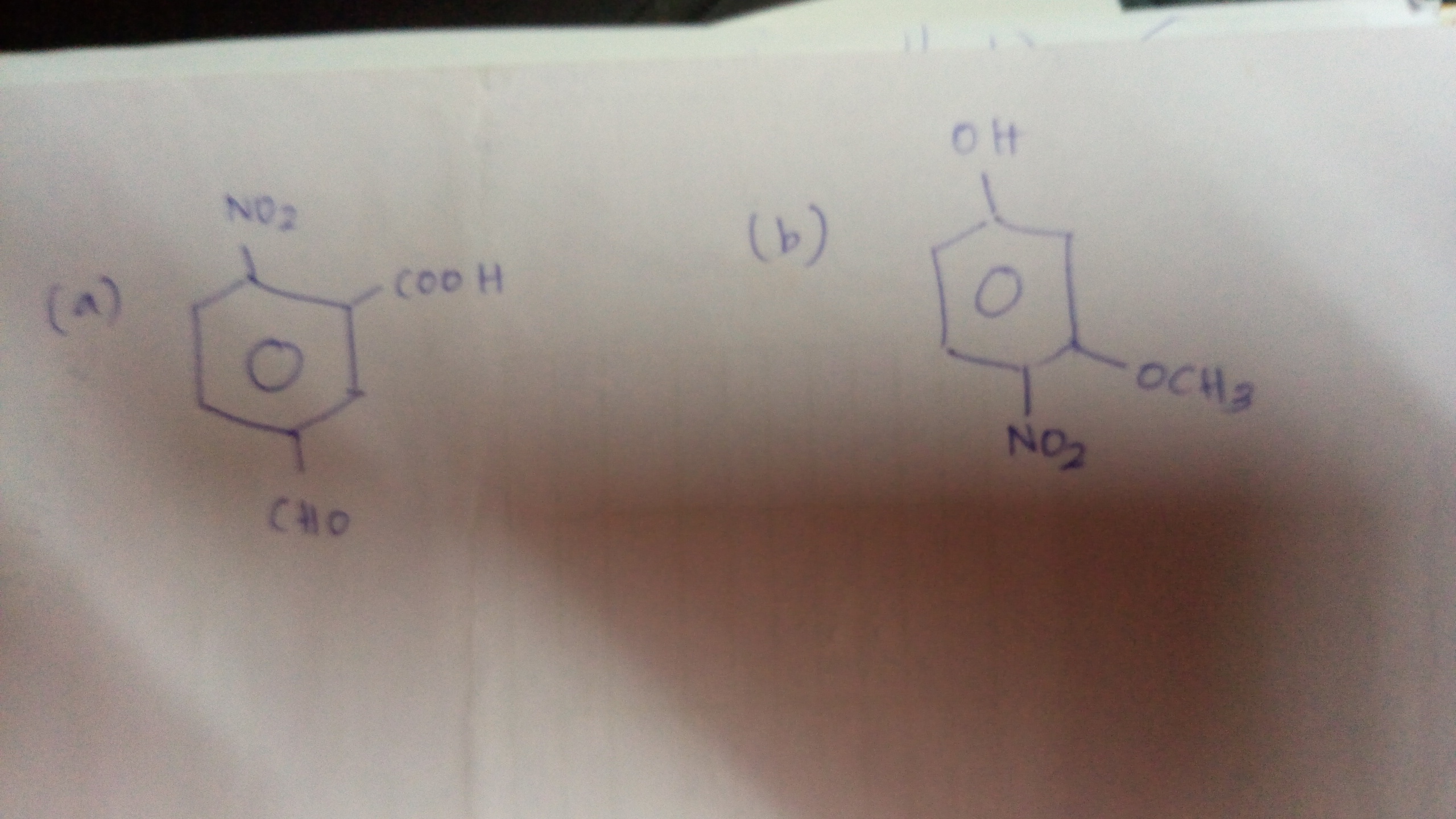
To accurately name organic compounds, chemists often rely on specific rules that help determine the correct nomenclature. The two primary methods you mentioned—the lowest set of locants rule and group priority—play significant roles in this process. Let’s break down these concepts to clarify how they apply to naming organic compounds.
Understanding the Basics of Organic Nomenclature
Organic compounds are typically named according to the International Union of Pure and Applied Chemistry (IUPAC) guidelines. These rules ensure that each compound has a unique and systematic name that reflects its structure.
Lowest Set of Locants Rule
The lowest set of locants rule is a principle used to assign numbers to the carbon atoms in a carbon chain. This rule aims to give the substituents (like alkyl groups or functional groups) the lowest possible numbers. For example, if you have a compound with a double bond and a methyl group, you would number the chain in such a way that the double bond gets the lowest number, even if it means giving a higher number to the methyl group. This approach helps in achieving clarity and consistency in naming.
Group Priority in Nomenclature
On the other hand, group priority refers to the importance of functional groups when determining the suffix of the compound name. Different functional groups have different priorities, which can affect how the compound is named. For instance, carboxylic acids take precedence over alcohols, meaning that if both are present, the compound will be named as a carboxylic acid, and the alcohol will be treated as a substituent.
Application of the Rules
When naming a compound, both the lowest set of locants and group priority are considered. Here’s how you might approach it:
- Identify the longest carbon chain: This will be your base name.
- Determine the functional groups: Identify which groups are present and their priorities.
- Assign locants: Use the lowest set of locants rule to number the carbon chain, ensuring that the highest priority functional group receives the lowest number.
- Combine the names: Use prefixes for substituents and the appropriate suffix for the functional group to create the full name.
Example for Clarity
Let’s consider a hypothetical compound: a six-carbon chain with a double bond and a methyl group. If the double bond is between carbons 2 and 3, and the methyl group is on carbon 4, the numbering would prioritize the double bond:
- Longest chain: Hexene (due to the double bond).
- Double bond location: 2-hexene.
- Methyl group location: 4-methyl.
The final name would be 4-methyl-2-hexene, demonstrating both the lowest set of locants and the importance of functional group priority.
Final Thoughts
In summary, when naming organic compounds, both the lowest set of locants rule and group priority are essential. They work together to ensure that the name accurately reflects the structure of the compound. If you have specific compounds in mind from your attachment, feel free to describe them, and we can analyze their names based on these principles!