

Grade 12th passMechanics
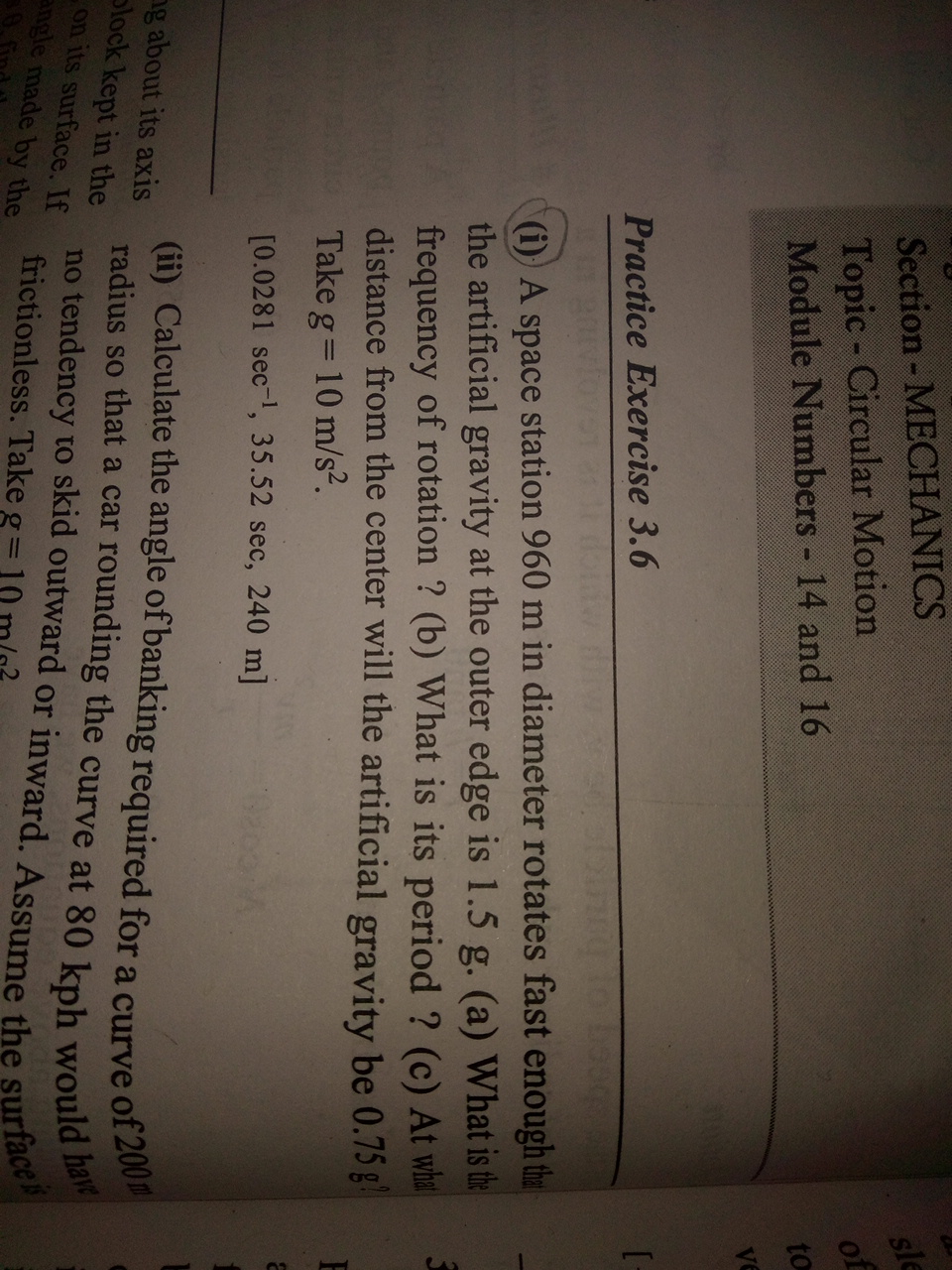
question is not clear please give detailed expansion of this question
question is not clear please give detailed expansion of this question


 Approved Tutor Answer0 Years ago
It seems like you're looking for clarification on a question that might not be fully articulated. To provide a detailed expansion, we first need to identify the core elements of the question and break it down into manageable parts. This approach will help us understand what information is being sought and how to address it effectively.
When a question is unclear, it often lacks specific details or context. Here are some steps to clarify it:
Once we identify the components, we can reconstruct the question. For instance, if the original question is about a scientific concept, we might ask:
After clarifying the question, we can formulate a comprehensive response. Let’s say the question pertains to the laws of motion. Here’s how we might structure the answer:
The laws of motion, formulated by Sir Isaac Newton, describe the relationship between the motion of an object and the forces acting on it. There are three primary laws:
To illustrate these laws, consider a simple example of a soccer ball:
After providing a detailed explanation, it’s beneficial to encourage further questions. This can help clarify any remaining uncertainties and deepen understanding. For instance, asking, “Do you have any specific scenarios in mind where these laws apply?” can lead to more targeted discussions.
In summary, breaking down an unclear question into its components allows us to reconstruct it meaningfully. By providing a structured and detailed response, we can ensure that the information is both comprehensive and accessible.

Three identical balls are placed on a frictionless
horizontal surface touching each other. They stick to
each other because of adhesive. Another ball of same
radius and mass m is placed over the void created by
the three balls. Find the forces applied by the balls
kept on the floor to each other if the system remains
in equilibrium.
Last Activity: 9 Months ago
A car loaded with water having total mass 1000 kg moves on a straight horizontal Road starting from rest under the action of a force of 100 Newton. The water spills throw a small hole in the bottom at a rate of 0.1 KG per second the velocity of cart after 300 seconds is nearly.
11
21
31
41
Last Activity: 9 Months ago
Last Activity: 3 Years ago
Last Activity: 3 Years ago