

Grade 12th passMechanics
Please explain and i dont know its basics so please deep explanation I will be thankfull to you
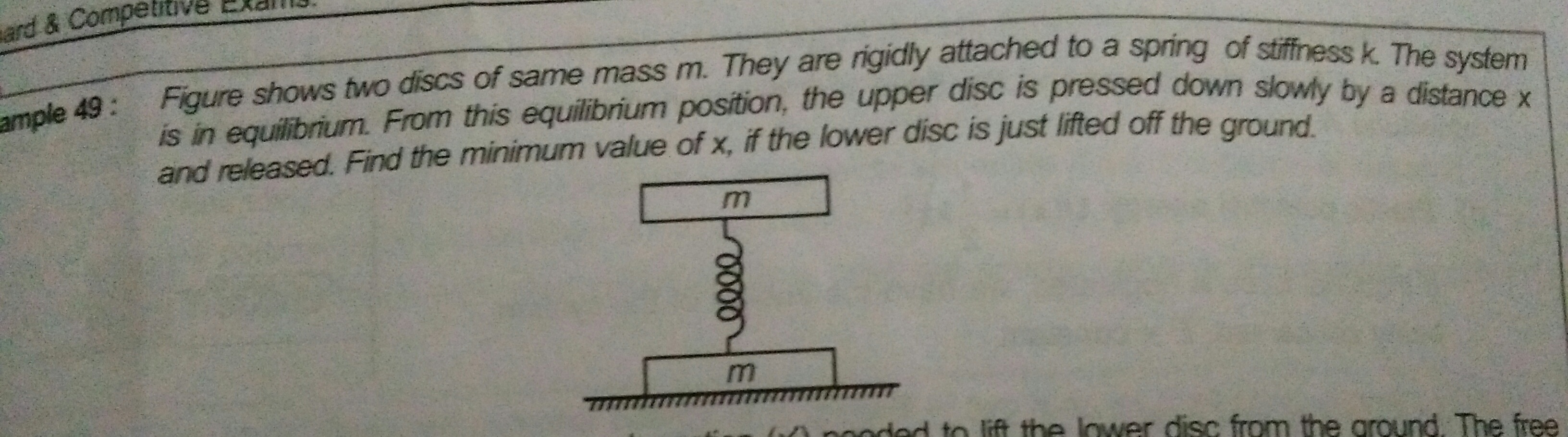


 Approved Tutor Answer11 Months ago
Absolutely, I’d be happy to help you understand the topic better! Let’s break it down step by step, ensuring we cover the basics thoroughly so you can grasp the concepts clearly.
To start, it’s essential to identify what specific topic you’re interested in. However, I’ll provide a general framework that applies to many subjects. Let’s say we’re discussing a scientific concept, like the water cycle. The water cycle is a natural process that describes how water moves through the environment.
The water cycle consists of several key stages:
Understanding the water cycle is crucial because it affects weather patterns, climate, and even agriculture. For instance, if there’s a prolonged drought, it can disrupt the cycle, leading to water shortages.
Let’s consider how this knowledge is applied. Farmers rely on precipitation patterns to determine when to plant crops. If they understand the water cycle, they can make informed decisions about irrigation and crop management.
Now, let’s relate this to another concept, like climate change. As global temperatures rise, the water cycle is affected. Increased evaporation can lead to more intense storms and altered precipitation patterns, which can have significant impacts on ecosystems and human activities.
Think of the water cycle like a giant conveyor belt. Water is constantly moving from one stage to another, and each stage is interconnected. If one part of the cycle is disrupted, it can affect the entire system.
In summary, grasping the basics of any topic involves understanding its fundamental components, their interconnections, and real-world implications. Whether it’s the water cycle or another subject, the key is to see how everything fits together and impacts our world. If you have a specific topic in mind, feel free to share, and we can dive deeper into that area!

Three identical balls are placed on a frictionless
horizontal surface touching each other. They stick to
each other because of adhesive. Another ball of same
radius and mass m is placed over the void created by
the three balls. Find the forces applied by the balls
kept on the floor to each other if the system remains
in equilibrium.
Last Activity: 9 Months ago
A car loaded with water having total mass 1000 kg moves on a straight horizontal Road starting from rest under the action of a force of 100 Newton. The water spills throw a small hole in the bottom at a rate of 0.1 KG per second the velocity of cart after 300 seconds is nearly.
11
21
31
41
Last Activity: 9 Months ago
Last Activity: 3 Years ago
Last Activity: 3 Years ago