

Grade 12Engineering Entrance Exams
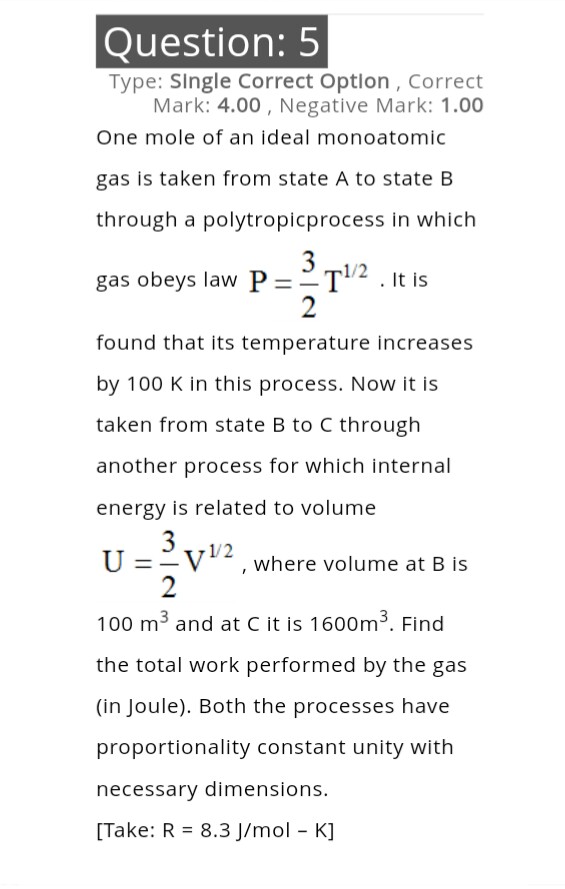
How to solve this que and what Shud be the method?.................
How to solve this que and what Shud be the method?
.................


 Approved Tutor Answer0 Years ago
To effectively tackle a question, it's essential to approach it methodically. The method you choose can vary depending on the subject matter, but there are some universal strategies that can help you navigate through most problems. Let’s break it down step by step.
The first step in solving any question is to clearly understand what is being asked. Read the question carefully and identify the key components. Ask yourself:
Once you have a clear understanding of the question, gather all the relevant information you need. This could involve reviewing your notes, textbooks, or any other resources. For example, if the question is about a mathematical problem, ensure you understand the formulas and concepts involved.
Next, decide on the best method to solve the problem. Here are a few common strategies:
With your strategy in place, start solving the question. Write down your steps clearly, and don’t skip any details. If you’re working on a math problem, show all your calculations. In a written response, structure your argument logically.
After arriving at a solution, take a moment to review your work. Check for any mistakes or areas where you might have misunderstood the question. Ask yourself:
Finally, remember that practice is key to mastering any method. The more questions you tackle using this structured approach, the more intuitive it will become. Over time, you’ll develop a toolkit of strategies that work best for you.
In summary, solving a question effectively involves understanding the problem, gathering information, choosing a strategy, implementing the solution, and reviewing your work. By following these steps, you can approach any question with confidence and clarity.

Last Activity: 4 Years ago
Last Activity: 4 Years ago
Last Activity: 4 Years ago
Last Activity: 4 Years ago