
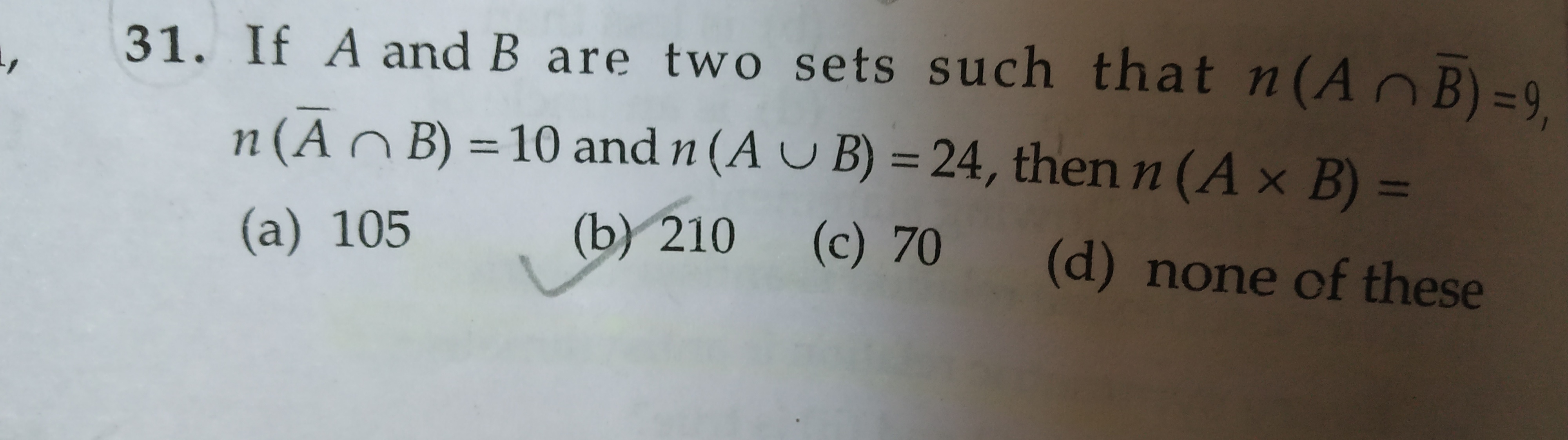
Question 31.................................................................
Question 31.................................................................

Shivvaiah shivvaiah , 6 Years ago
Grade
 Algebra> Question 31.................................
 1 Answers

Prepraring for the competition made easy just by live online class.

Full Live Access

Study Material

Live Doubts Solving

Daily Class Assignments

Last Activity: 2 Years ago
Last Activity: 2 Years ago
Last Activity: 3 Years ago